Simple Alchemy Insights - Passionflower
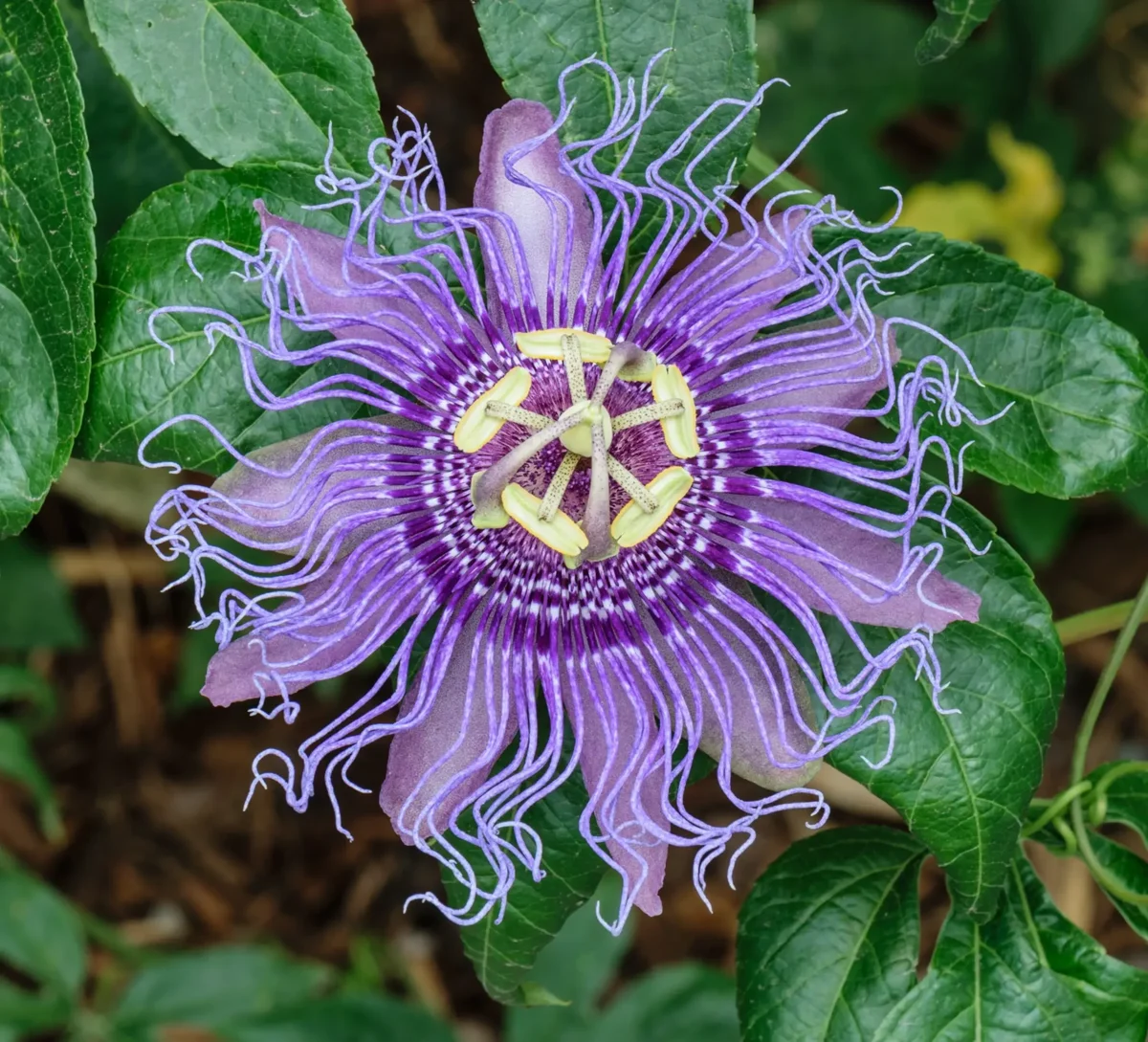
Passionflower (Passiflora incarnata) is one of those rare botanicals that feels both mystical and deeply practical. With its intricate, otherworldly blooms and long-standing place in traditional herbal practices, it has become a staple for those seeking gentle, plant-based support for relaxation and rest.
A Brief History
Passionflower is native to the southeastern United States and parts of Central and South America. Indigenous peoples, including the Cherokee and other Native American tribes, traditionally used the plant for its calming properties, often preparing it as a tea.
In the 16th century, Spanish explorers encountered the plant and were struck by its unusual structure. They named it “passionflower,” interpreting the flower’s parts as symbolic of elements of the Passion of Christ. This symbolic association helped spread awareness of the plant throughout Europe, where it was later adopted into herbal traditions.
By the 19th and early 20th centuries, passionflower had found its way into American and European herbal preparations, particularly those intended to support the nervous system.
Passionflower has long been valued for its gentle, soothing nature. Traditionally, it has been used in herbal practices to:
- Support relaxation during times of occasional nervous tension
- Promote restful sleep
- Encourage a sense of calm without heaviness
Modern herbalists often turn to passionflower as part of nighttime blends or calming formulas, appreciating its subtle yet effective presence. It pairs beautifully with other botanicals like lemon balm, chamomile, and lavender for a more layered approach to relaxation.
Passionflower can be prepared in several ways, depending on preference:
- Tea (Infusion): A classic and accessible method, often enjoyed in the evening
- Tincture: A concentrated liquid extract for convenient use
- Capsules or powders: For those who prefer a more measured approach
Its flavor is mild and slightly earthy, making it easy to incorporate into herbal blends without overpowering other ingredients.
Whether you’re winding down after a long day or creating a more intentional evening routine, passionflower offers a grounded, plant-based option worth exploring. Its long history and continued use speak to its place as a trusted botanical ally.
As with any herbal product, it’s always wise to consult with a qualified healthcare professional—especially if you are pregnant, nursing, or taking medications.




Thank you for posting your blog comment. It will be reviewed and set live soon. If you provided your email then you will be notified of replies to this comment.